
Jaipur • New Delhi • Bengaluru • Guwahati • Kolkata
Ajeet Kumar Pankaj
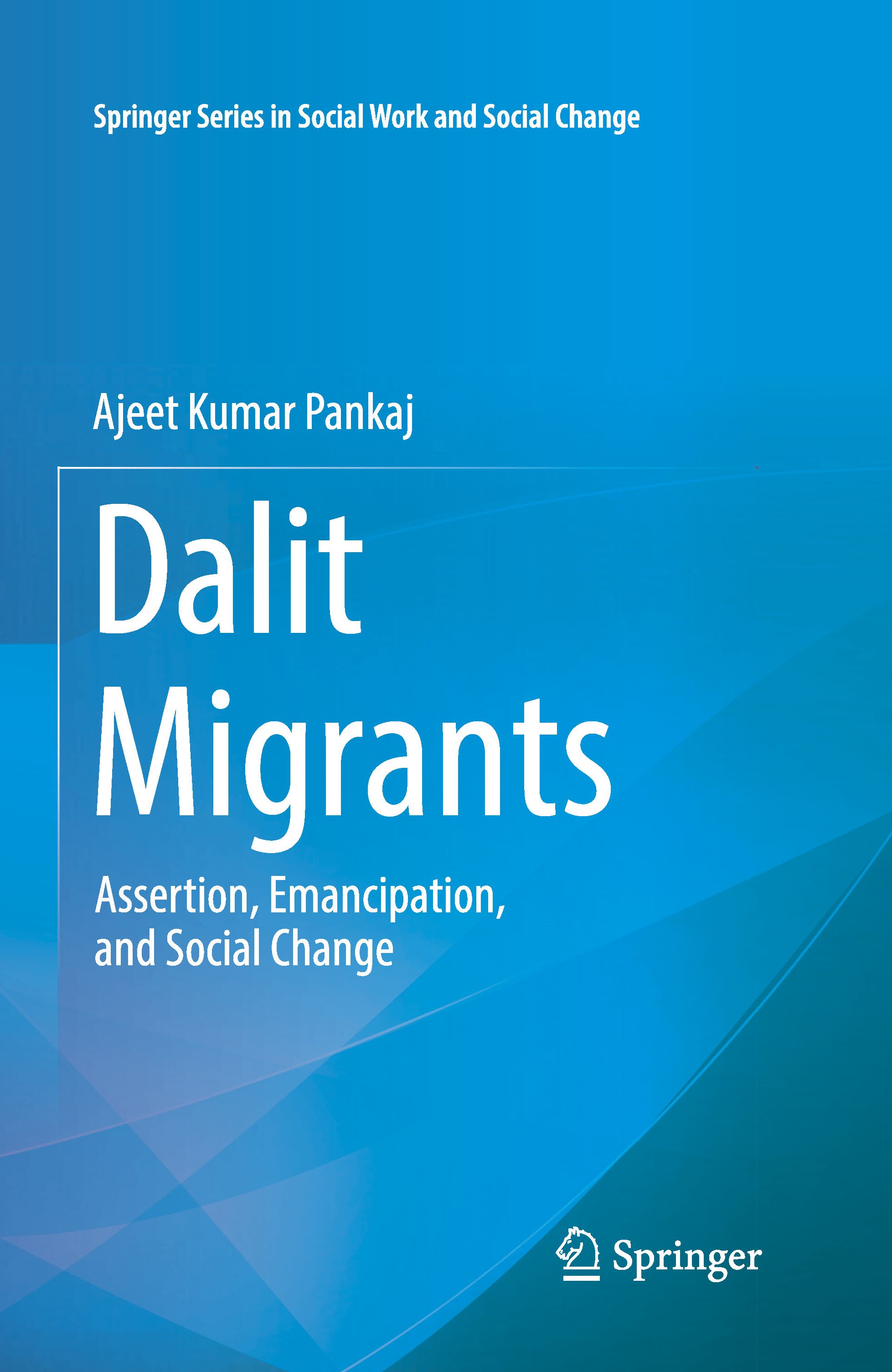
This book offers a detailed narrative of Dalit migrants' everyday experience in urban areas with regard to the availability and accessibility of welfare services and state institutions. It discusses caste, specifically the identity of integration for Dalit migrants and the social work profession to integrate a marginalized community. Further, the book also highlights social, political, cultural, and economic changes among Dalit migrants in cities.
The book traces the trajectory of Dalit migrants and captures their mobility from rural to urban areas, which is a complex economic and social phenomenon. In consideration of this complexity, the author explores the process of migration in its finer details through a focus on lived experiences of Dalit migrants in cities. Dalits often migrate to cities in search of better employment and livelihood opportunities because their occupations are invariably associated with their caste in villages. This book investigates the role of caste-based identity in Dalit migrants’ emancipation and integration in cities. In addition, the book examines the role of caste in the exclusion of Dalit migrants in cities and explains the dynamic nature of the 'state' and Dalit migrants' assertion.
Among the topics covered in the book's seven chapters:
Mumbai/Bombay: Migration, Caste, and Dalits
Caste and Migration: The City—A Site for ‘Inclusion’ and Emancipation
Entitlement, Deprivation, and Basic Services: Everyday Experience of Dalit Migrants with the State
Dalit Migrants: Assertion, Emancipation, and Social Change is intended for students, academicians, and researchers in social work, migration studies, labour studies, development studies, population science, and economics. Developmental professionals also will be keen to read the book.
Introduction
Mumbai/Bombay Migration, Caste, and Dalits
Bhima Koregaon: Deconstruction, Construction, and Reconstruction of Dalit “Pride”
Religion, Politics, and Ideology: Migration and Everyday Assertion
Caste and Migration: The City – A Site for “Inclusion” and Emancipation
Entitlement, Deprivation, and Basic Services: Everyday Experience of Dalit Migrants with the State
Conclusion
Ajeet Kumar Pankaj is assistant professor in the Department
of Social Work at Indira Gandhi National Tribal University, Regional Campus
Manipur, in India. He earned his Ph.D. from Tata Institute of Social Sciences
(TISS) in Mumbai. His research interests cover caste, migration, exclusion,
social policy, community development, and gig work. He has published several
articles in national and international journals including Community Development
Journal, Social Work with Groups, Journal of Asian and African Studies, and The
American Journal of Economics and Sociology. He was also co-project
investigator and collaborated with two universities (TISS, Mumbai and Kashmir
University) in India for a joint research project entitled “Migrant Workers and
Urbanisation in Politically Sensitive Areas: A Study in Kashmir & Manipur”,
funded by ICSSR, New Delhi, India. Ajeet was a recipient of the DAAD
Contact-Grant Fellowship for Visiting Research Scholar, 2017, and was based
atthe University of Oldenburg, Germany, as a visiting scholar in 2017.
Currently, he is developing a grant proposal to study precarity of ‘gig migrant
workers’.
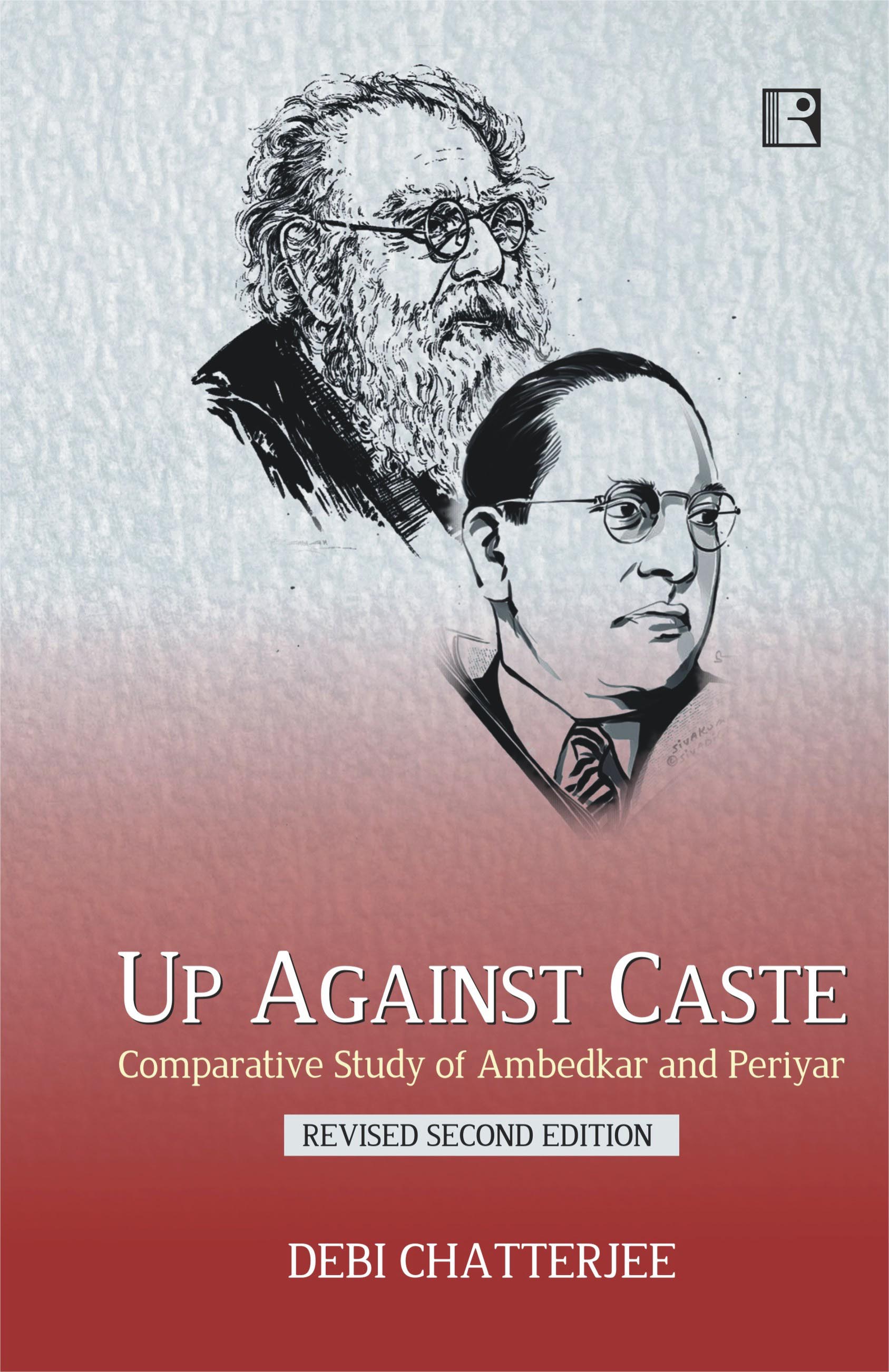
Debi Chatterjee
Surinder Kumar, Fahimuddin, Prashant K. Trivedi and Srinivas Goli
Yatindra Singh Sisodia and Tapas Kumar Dalapati (eds)
Your cart is empty.