About the Book
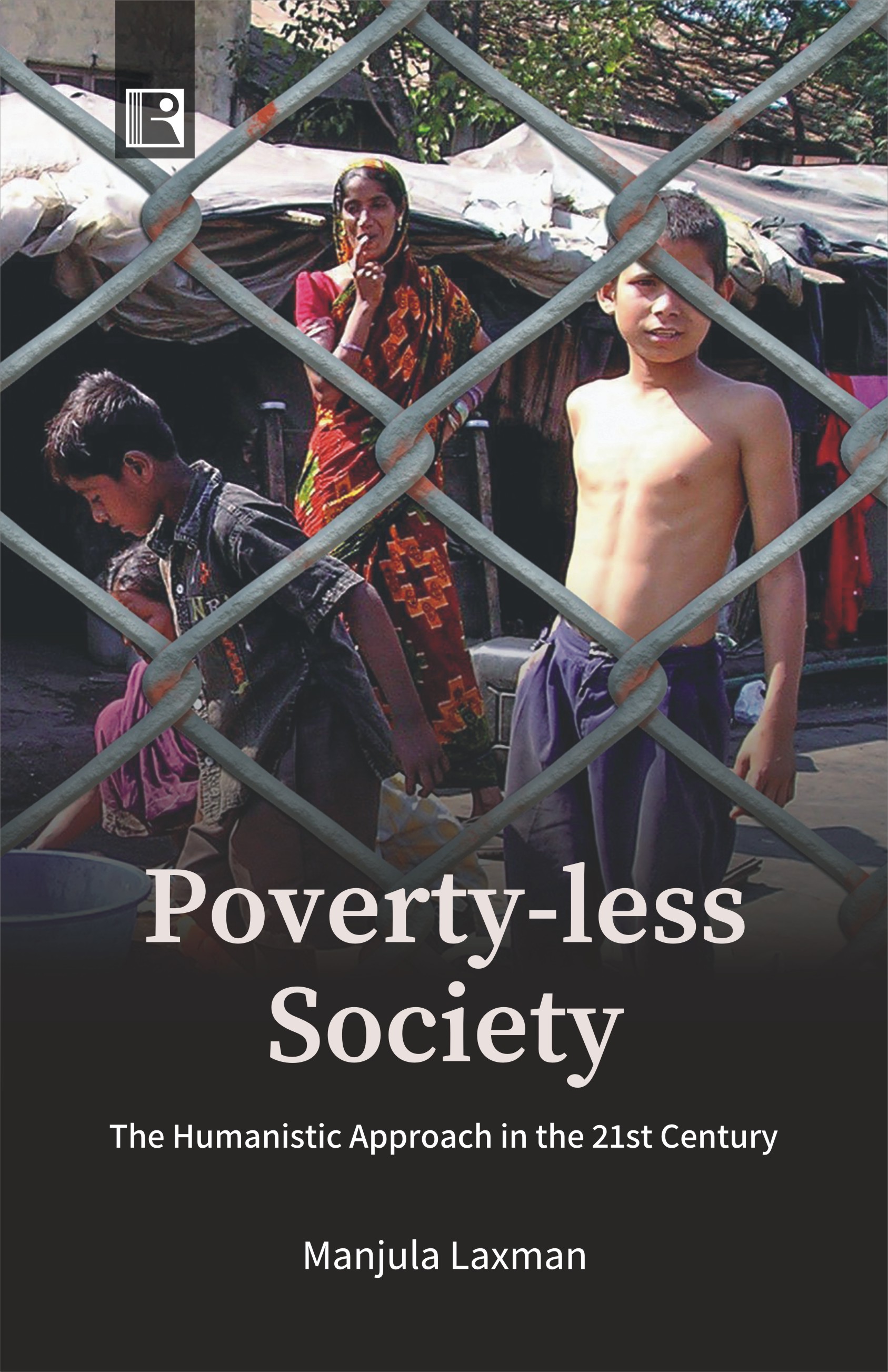
This book explores humanistic economic ways to understand poverty. Mainstream economics has focused on market-oriented economies which have no place for the poor due to lack of financial resources. The basic problem is that mainstream economics has marginalized ethics in economics. The utilitarian approach estimates the poor by the incapability to access goods and services in the market. The author argues that the mainstream economics utilitarian approach cannot eradicate poverty, because it deals with poverty as a monetary incapability to access the market. Poverty or low monetary capability is related to human justice, liberty, and equity issues, in a broad perspective, related to social (society, political system) economic, and ethical issues in the economies.
Capitalism or socialism are extreme politico-economic institutions which have failed to remove inequality in the world. In order to remove poverty in the 21st century, we need to readdress the issue from humanist point of view. Humanistic economics can focus more on human happiness and harmony with nature which can create egalitarian world order. Monetary achievements of the economy are not sufficient but non-monetary aspects make human life more flourishing. The author has involved the humanistic economic model that how the institutional arrangement can be connected with each other, this model emphasizes that we need to minimize market-oriented institutions and expand the alternative market institutions which are more human-centric, and play an important role in the removal of inequality and poverty among different groups, society, and the nation. This research agenda on poverty-less society addresses the new alternative ways to understand poverty and inequality in the world by normative framework.
Contents
• Introduction
• Poverty and Inequality in the World
• Perspectives on Poverty
• Concept and Measurement of Poverty
• Evolving a Model of Humanistic Economics
• Agenda for the 21st Century
About the Author / Editor
Manjula Laxman, Associate Professor at Gujarat Vidyapith, Ahmedabad, did her M.Phil./Ph.D./NET in Economics from Gujarat Vidyapith. She was Assistant Professor at Dr. Babasaheb Ambedkar Open University, Ahmedabad from 2002 to 2004. Development economics and public economics are her research areas, especially focusing on disadvantaged class, poor and marginal groups. She has completed two research projects funded by the University Grants Commission, New Delhi, and the Indian Council of Social Science Research, New Delhi. She has published four books on the subject of participatory irrigation management, labour market discrimination, and land reforms in Gujarat, and published papers and articles on various platforms.pp