Jaipur • New Delhi • Bengaluru • Guwahati • Kolkata
Kadira Pethiyagoda
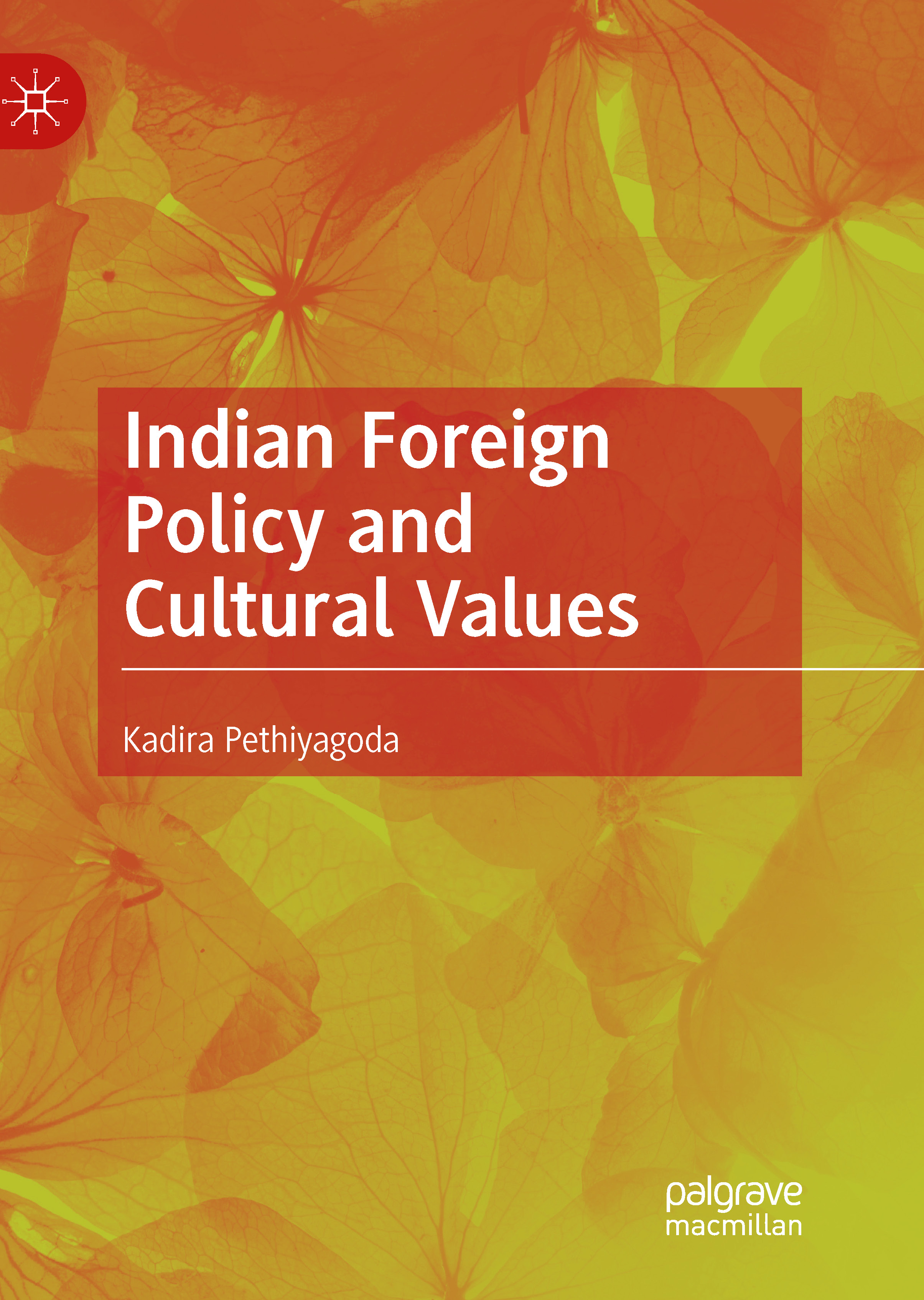
As India rises to great power status in the emerging
multipolar world order, what influence will its rich and ancient culture have
on the country’s foreign policy? This book reveals that cultural values have
greater explanatory power than previously thought and describes the nature of
their influence. Excavating thousands of years of history, the monograph
identifies enduring values that are relevant to contemporary foreign policy. It
examines three critical areas of Indian foreign policy – nuclear policy,
humanitarian intervention and relations with the Middle East.
Major decisions were shaped by cultural values –
sometimes at the expense of strategic interests. India’s choice to test nuclear
weapons was not purely because of China or Pakistan: hierarchy also played a
role. From a hierarchical worldview shaping Delhi’s approach to international
law on arms control to pluralism facilitating simultaneous friendships with
America and Iran, values thread their way throughout India’s foreign relations.
Non-violence underpins Delhi’s soft power in both the West and the Middle East,
while having spurred India’s opposition to Western intervention in Iraq. Analyzing state behavior and interviewing
diplomats, the book charts culture’s evolving influence from Rajiv Gandhi to
Narendra Modi.
Theory
and Culture
1. Culture in International Relations
2. Which Cultural Values?
Sifting
for Culture in Foreign Policy
3. Nuclear Policy
4. Humanitarian Intervention and
Responsibility to Protect
5. Relations with the Middle East
6. Conclusion: Extent and Nature of
Values’ Influence in a Global Context
Kadira Pethiyagoda was a Brookings Institution Fellow,
diplomat, foreign service officer, political candidate, and visiting scholar at
University of Oxford, UK


Richard Sisson and Stanley Wolpert (eds)
Your cart is empty.