Jaipur • New Delhi • Bengaluru • Guwahati • Kolkata
Ghanshyam Shah
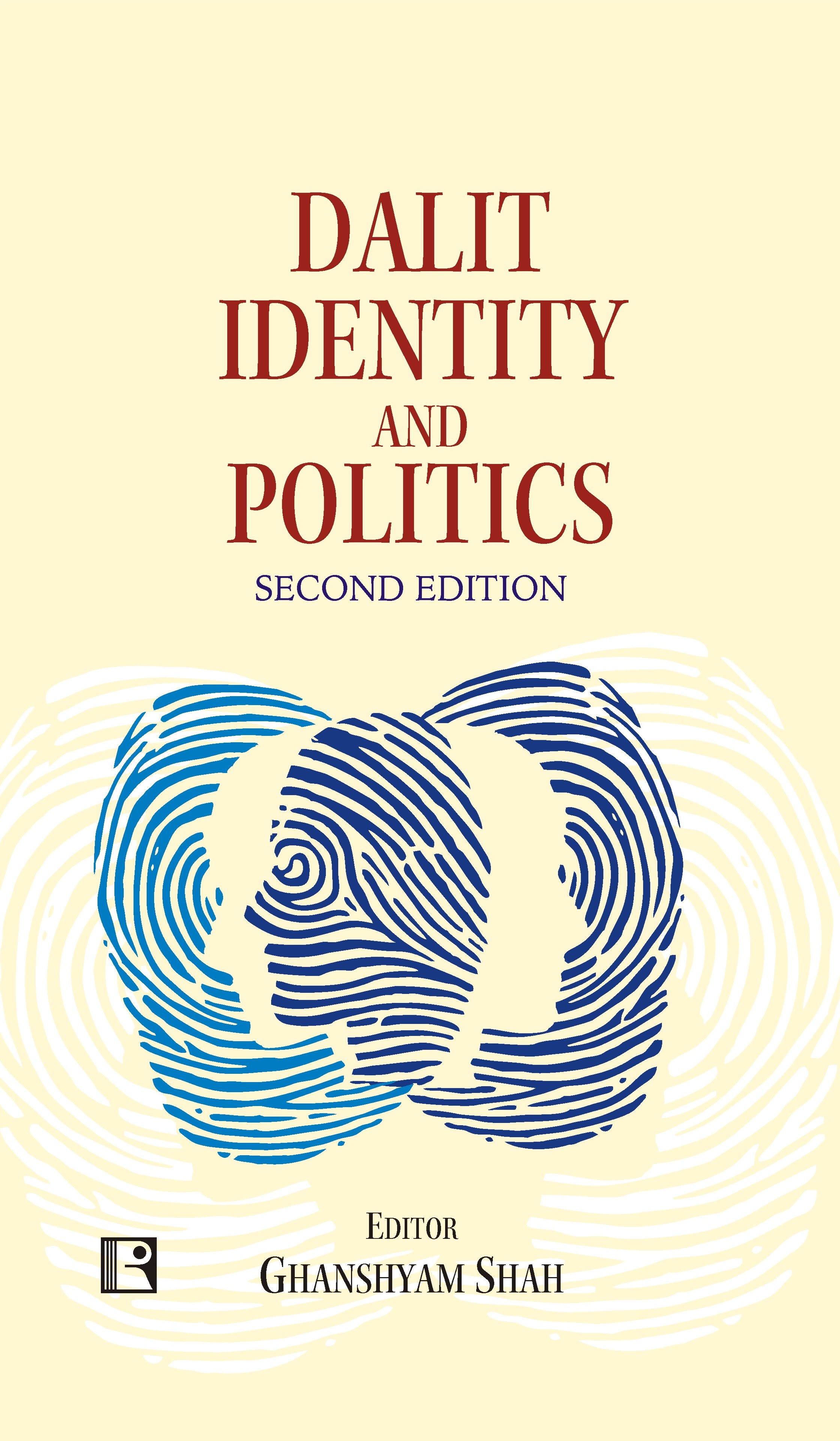
The Dalits, once known as “untouchables”, have from time immemorial been socially and economically oppressed, culturally subjugated and politically marginalised. However, in recent times they have begun to assert themselves and have launched movements aimed at ushering in a new social order based on the principles of equality, fraternity and liberty. Even though many Dalits have, as a consequence, reached positions of power and prominence, particularly in the political arena, the vast majority of them continue to suffer discrimination, poverty and humiliation and are often targets of human atrocities.
Bringing together scholars and activists, this volume examines the many facets of on-going Dalit struggles. The discussion is conducted in the framework of four fairly recent developments in the world of the Dalits:
— Equality for Dalits is increasingly being recognised as a desirable norm in Indian society.
— Capitalist development has begun to weaken the caste system.
— Dalits are beginning to experience a modicum of social mobility, thanks to policies of positive discrimination.
— There has been an unprecedented rise in political consciousness among Dalits.
The contributors critically examine the implications of these developments for Dalits. Providing a perspective from below, they emphasise that though social mobility, economic development and political recognition have benefited a few Dalits, the drawbacks of these changes are manifold.
This new edition of the book brings update on major changes in Dalit politics in the first quarter of the 21st century. Sudha Pai’s postscript details the ascent and eventual decline of the BSP. The BJP has strategically engaged with various segments of the Dalit population through welfare initiatives, while maintaining the dominance and Brahmanic hegemony of ‘upper’ castes, and explicit anti-Muslim rhetoric. However, under BJP rule, atrocities against poor rural Dalits have not decreased, and discrimination against the Dalit middle class persists.
The uniqueness of this volume lies in the thematic approach it uses to explore what it means to be a Dalit in contemporary India. It will be of interest to those involved in Dalit studies, sociology, social anthropology, history, politics, ethnicity and cultural studies.
Contributors
R.S. Deshpande
Abhay Kumar Dubey
Gopal Guru
Kancha Ilaiah
Lancy Lobo
Gail Omvedt
Sudha Pai
S.P. Punalekar
Pushpendra
N. Sudhakar Rao
Ghanshyam Shah
S.K. Thorat
Eleanor Zelliot
Ghanshyam
Shah is former Professor, Centre of Social Medicine and Community Health,
Jawaharlal Nehru University, New Delhi. He was also the Former Director of the
Centre for Social Studies, Surat


Richard Sisson and Stanley Wolpert (eds)
Your cart is empty.