About the Book
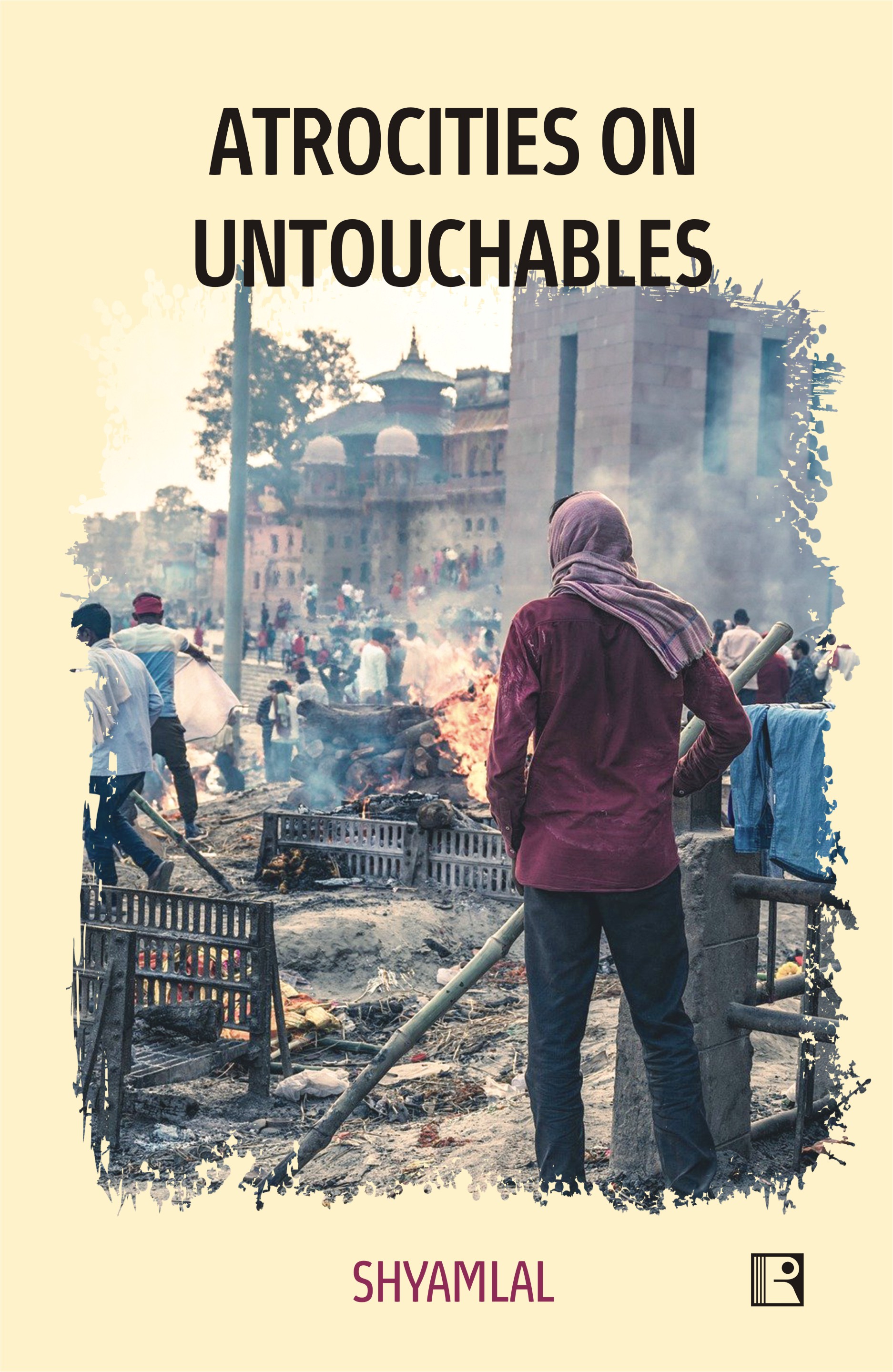
The untouchables have, since time immemorial, endured social and economic oppression, cultural subjugation, and political marginalization. The Constitution of free India abolished untouchability, social discrimination, and injustice based on caste, creed, and religion. In recent times, they have begun asserting themselves, launching socio-cultural and political movements aimed at ushering in a new social order based on the principles of equality and liberty. Many have reached position of power and prominence, particularly in the political arena, but vast majority continues to suffer discrimination, poverty, and humiliation, often falling victim to inhuman atrocities.
For years, untouchables perceived their politicians, including MLAs, MPs, bureaucrats, and social organizations, as their saviors, liberating them from the shackles of bondage and deprivation. However, much remains to be done. Even six decades after Dr. Ambedkar’s death, pressing questions persist: What is the condition of untouchables today at the end of 73 years of constitutional marching? What is the cause of this miserable state? Has untouchable leadership failed?
The book provides a graphic account of the violation of Dalit rights and the atrocities inflicted upon them, particularly in the state of Rajasthan. Since the formation of Rajasthan, episodes of atrocities have underscored two disturbing trends. Firstly, it reflects the continued threats faced by untouchables 76 years after the Constitution promised the right to equality. The second issue is the trend of individuals taking the law into their own hands, witnessed in personal disputes, for political and ideological reasons, and due to jealousy and hatred of caste Hindus towards Dalits. The present study is, therefore, an attempt to analyze the attitude of caste Hindus and the role of mainstream political parties in Rajasthan to tackle this social issue.
Contents
1 Untouchability, Law and the State: Cases from Rajasthan
2 Untouchability and Atrocities on Dalits: Multiple Dimensions
3 Jat Attacks on the Bhangis: A Case Study from Jodhpur City, 1970
4 The Infamous Kumher Kand (Massacre), 1992
5 Movement for the Emancipation of Untouchables in Chakwara Village: An Historical Study, 2001
6 Dalit Killings and Gang Rape Incidents in Rajasthan: Untouchable Woman Gang-Raped in Alwar District, Rajasthan, 2019
7 Up Against the State: Agitation by Untouchable Communities over 2019 Gang-Rape Incident
8 Rajput Attacks on Nayak: Horrific and Sickening Incident in Nagaur District, 2020
9 Rajpurohits Against the Meghwals: The Wrathin Pali District, 2022
10 Touching the Water Pitcher: Resistance and Death of Indra Kumar in Rajasthan, 2022
About the Author / Editor
Shyamlal is an eminent sociologist who has held notable positions in academia. He served as the Vice Chancellor, Patna University, Patna and Jai Narain Vyas University, Jodhpur. He was also the acting Vice Chancellor, University of Rajasthan, Jaipur. Earlier in his career, he held the position of Professor and Head, Department of Sociology, University of Rajasthan, Jaipur. He also held the esteemed role of Chairman, Drafting Committee, Ambedkar Foundation, Government of Rajasthan. Notably, he received the ICSSR’s Dr. B.R. Ambedkar National Fellowship for both 2003–04 and 2004–05. He was also honoured with Lifetime Achievement Award (2021) by the Indian Sociological Society at Mumbai and Jagatguru Ramanandacharya Award (2023) at Varanasi. Professor Shyamlal is a prolific writer with over 24 books and more than 50 research papers to his credit, published in various journals and edited volumes.