
Jaipur • New Delhi • Bengaluru • Guwahati • Kolkata
Punita Arun Harne
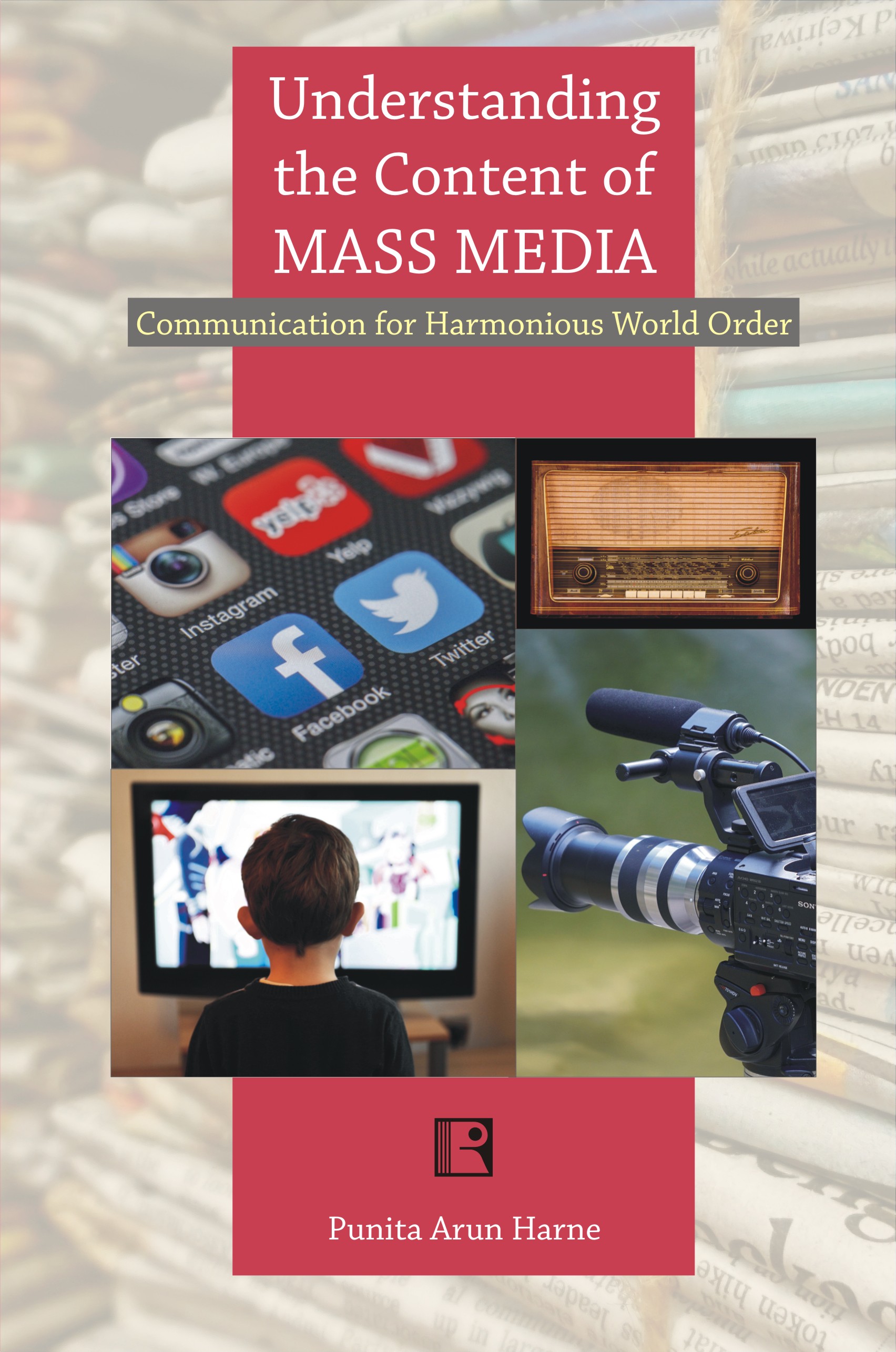
Media content, authored by diverse individuals across different
organizations, often presents varying perspectives on the same news, which can
either foster societal agreement or discord. Understanding the underlying
purpose of media content is key to navigating these dynamics.
Research in mass media seeks to uncover audience preferences and
gauge the societal impacts of media messages. This book delves into these
aspects, exploring how media influences harmony through its communication
methods, treatment of topics, and the tools it employs. By examining both mass
media and social media content, this study aims to highlight their role in
fostering a cohesive global communication landscape, thereby contributing to
societal harmony and understanding.
Introduction
Language Newspapers in Mofussil Areas
Speaking in the Favour of Margin: Gandhi, Societyand
Specially-able
Message in Mass-age: Social Media and Voice of Tribal Students
Gandhi, Field Work, and Curricular Challenges: Experiences from
Padyatra
Women-Ccntric Soap Operas: An Analysis of the Undercurrent of
Patriarchy in India
Media, Rural Development, and Concern for Sustainability
Elevating Learning, Mass Media, and Ever-Changing Curriculum
Issues in Gender Harmony
Gender Harmony Case (The Nirbhaya Issue)
Punita
Arun Harne is Professor at the Department of Journalism and Mass
Communication, Faculty of Professional Studies, Gujarat Vidyapith, Ahmedabad.
She began her career as a subeditor with The Times of India (regional edition)
during 1988–1993. Since 1994, she has been in media education. Actively
involved in academic writing, biographical writing, documentary writing and
communication research, she has authored five books as a single author, two as
a co-author, and has many entries in the ‘Gujarati Vishwakosh’ Encyclopedia.
Attached to various universities as a resource person, she is also the
recipient of a Fellowship from the Department of Culture, Ministry of Human Resource
Development, Government of India.
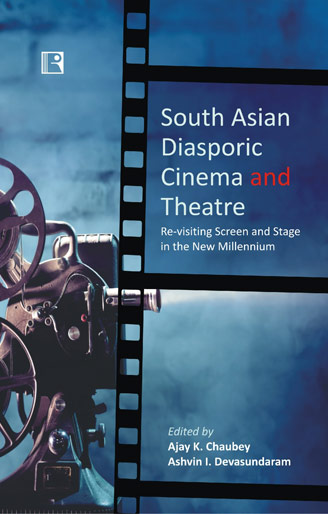
Ajay K. Chaubey and Ashvin I. Devasundaram (eds)
Your cart is empty.